
Your guide to TREKKING in the ANNAPURNAS
FEATURES
- Permits, guides & porters
- Essential & useful equipment
- Budgeting your trek
- Mini treks with no permits
- Poon Hill trek
- Mardi Himal trek
- Annapurna Base Camp trek (ABC)
- Annapurna Circuit trek
GUIDES
A Nepali trekking guide manages everything for his clients on a trek, including transportation to/from the trek, food and drinks, accommodation, porters and the route! All trained and experienced guides speak English well and are able to inform their clients about local cultures and mountain scenery on the trek. It is not required in the Annapurna Region to take a guide with you on your trek. Guides cost between US$20-30 per day. which covers their food and accommodation.
PORTERS
Porters can be hired to carry your bags during your trek and usually one porter will carry the bags of two people. Generally porters do not speak English well. If you choose to hire a porter ensure that he has adequate clothing and footwear for the trek. Porters cost between US$10-20 per day.
INDEPENDENT TREKKING
Independent trekking does not mean trekking solo: it’s trekking without a registered guide. Before setting off on a trek, educate yourself about the trek including the route, altitudes & safety precautions and purchase a map from any bookshop in Lakeside. Independent trekking allows you more freedom on your trek; however your safety is your own responsibility. Permits for independent trekkers (ACAP & green TIMS card) must be purchased at the Trekking Office in Damside
PERMITS
Every trekker requires two permits to trek in the Annapurna Region: the ACAP (Annapurna Conservation Area Permit) and the TIMS card (Trekker’s Information Management System).
ACAP: Rs2,000 + 2 passport photos
BLUE TIMS CARD: For trekkers accompanied by a guide. US$10 +1 passport photo
GREEN TIMS CARD: For independent trekkers. US$20 + 2 passport photos
ABOUT YOUR PERMITS
» They are single entry only and can be valid for up to one month
>> They are checked upon entry and departure from the Annapurna Conservation Area
>> The entry & exit dates are flexible: you can enter/exit within or on the dates, so it’s a good idea to allow a few extra days for more flexibility or emergency.
» If you have a blue TIMS card, then you must be accompanied by a guide at all times during your trek.
» If you require a green TIMS card you must purchase your permits yourself at the Trekking Office, located in the Tourist Information Centre in Damside (Lakeside Map 114). OPEN: 10am-5pm daily
essential & useful equipment
Are you about to set off on your first trek and you’re wondering if you are bringing the right gear with you? Or perhaps you are planning on carrying your own backpack? Here’s our guide of some essential and useful items to ensure that you have a wonderful adventure in the Himalayas.
DOWN JACKET
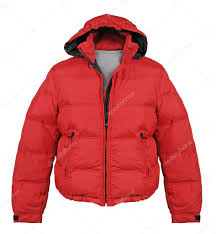
The best outer layer for cold evenings and mornings in the Himalayas plus it is lightweight.
SLEEPING BAG
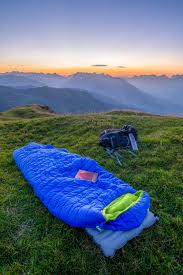
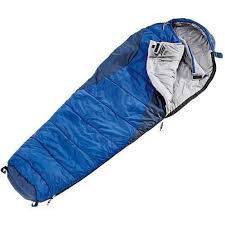
While blankets are provided by the tea house there can be shortages in peak seasons and one is usually not warm enough. A sleeping bag is both cleaner and warmer and you can always layer a blanket on top on colder nights
GLOVES & WARM HAT On cold momings and evenings Keep your head and hands covered as heat escapes most quickly from them.
THERMALS

A clean pair of thicker thermals for evening & night-time wear are a pleasure to exchange with your dusty trekking clothes and are essential on cold nights at high altitude.
QUICK DRY T-SHIRTS

You can work up a sweat when trekking in the sun and cotton t-shirts will stay wet for a long time, requiring you to bring more with you.
WATERPROOF OUTER LAYERS
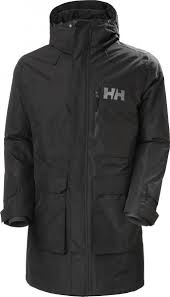
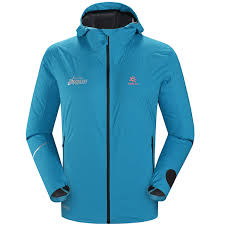
A wind/waterproof jacket and trousers are very useful as rain and or snow is always a possibility- even in the warmer months.
HEAD TORCH
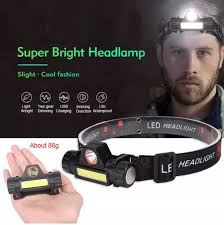
Any torch is better than none, but a head torch is a lot more practical – especially when the toilet is outside!
TREKKING POLES
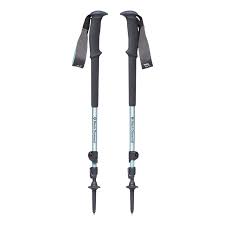
These are not necessary but are useful if you have difficulty descending a lot of steps or will be crossing snow and ice on the Thorong La.
WATER BOTTLES (2-3L)
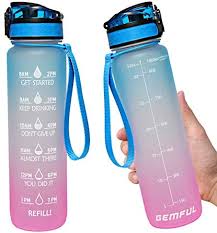
Although you can buy plastic bottles of water at every tea house it is not good for the environment. Filtered drinking water is available for refilling your bottle at many tea houses now for a small charge per litre. You can take also water purification tablets In case it’s unavailable.
SOAP

Many teahouses do not provide soap in their bathrooms or washbasins.
MAP
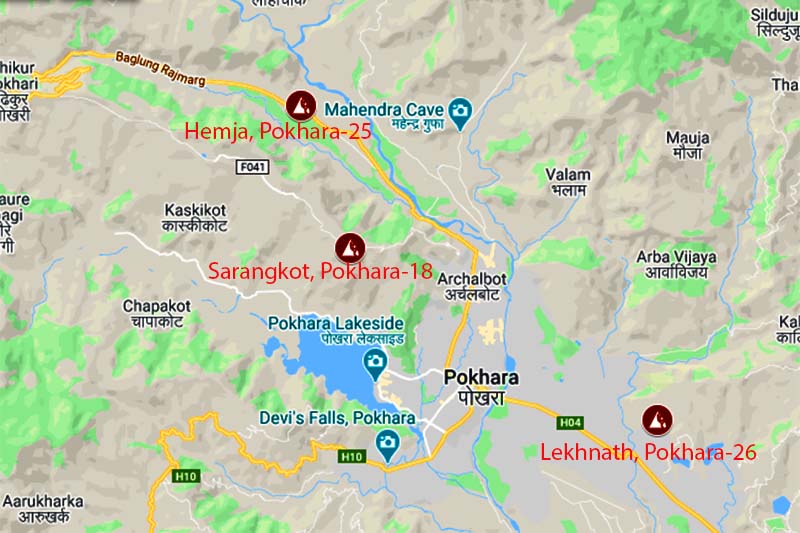
Essential for independent trekkers as the map indicates not only the trekking routes but also tea houses, altitudes. medical facilities etc
CAMP SHOES

At the end of the day when you have put on your clean clothes for the evening the last thing you will want to do is to put on your trekking boots again. While a second pair of shoes can be heavy to carry a great option is to buy a pair of (fake) Crocs They cost Rs200-400, weigh next to nothing, slip on and off easily, can be tied to the outside of your backpack and you can wear your thick, warm socks with them!
SMALL QUICK DRY TOWEL

In case there is an Opportunity for a hot shower after a hard day’s trek!
MINI FIRST-AID KIT
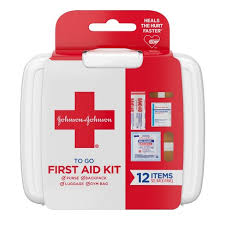
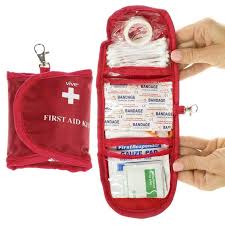
Take some plasters, Ibuprofen, antiseptic. antibiotics (Ciprofloxacin & Amoxicillin) & knee/ankle prone to injuries Support especially if you are prone to injuries
SUNGLASSES & SUNCREAM

At high altitudes the atmostphere is and this filters less UV radiation, so you will need to protect your skin (especially your face).
TOILET PAPER

You will save some money by buying a roll in Pokhara but you can always buy it in the tea houses if you run out. or forget.
WET WIPES

When a shower is not available then these are the next best things to remove sweat and dust.
SNACKS

Having burned so many calories you might find yourself craving a chocolate bar at the end of the day or a muesli bar on the way. While chocolate is ubiquitous and is only a little more expensive than in Pokhara you cannot find muesli bars or trail nuts so stock up before you leave Pokhara
CAMERA
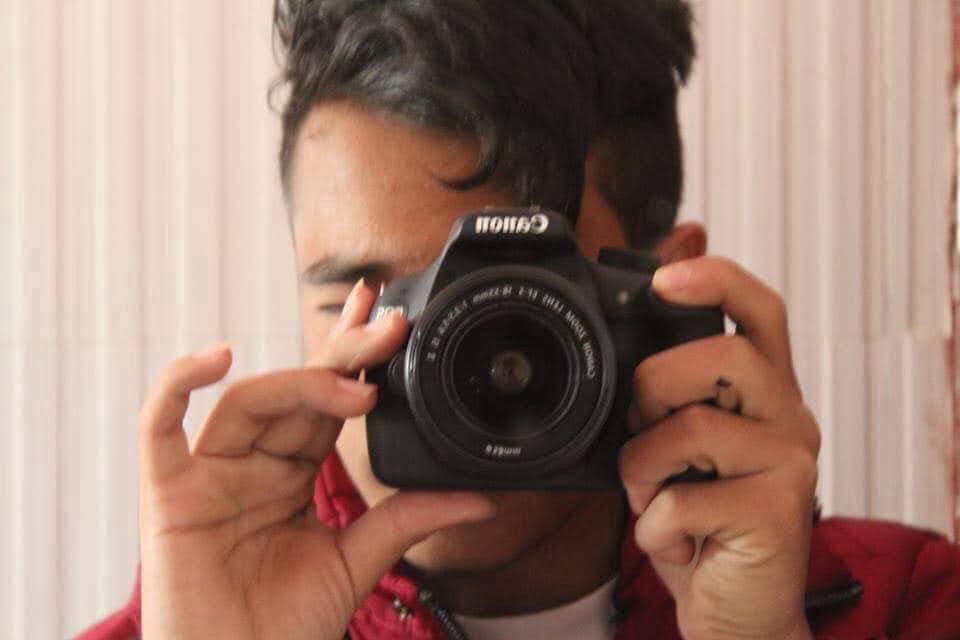
Whichever camera you have it is handy to take two fully charged batteries with you as well as plenty of memory cards Also beware of dust entering your camera!
 pokhara guide